




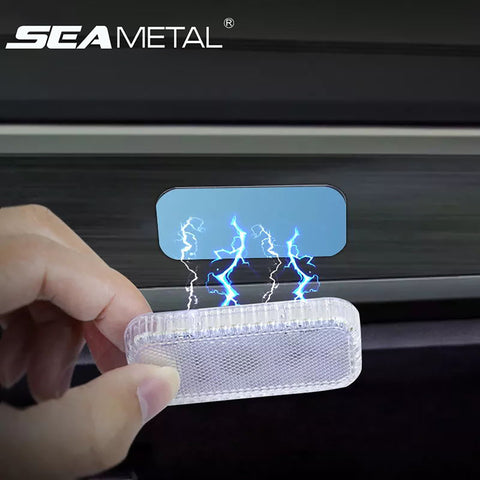
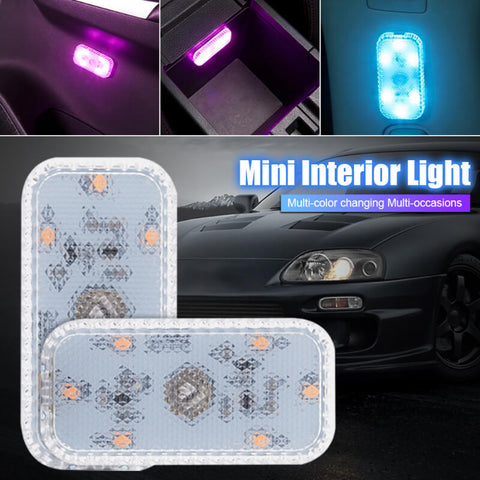
-
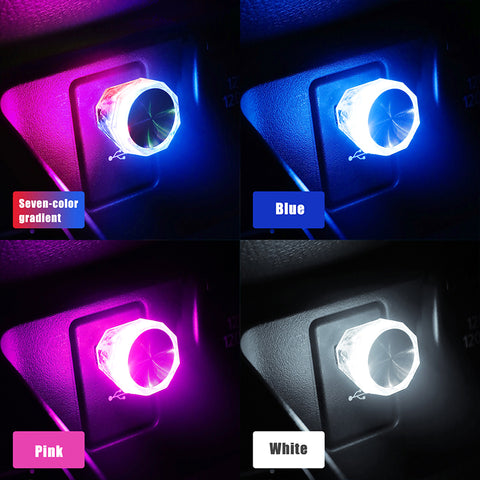
Blue lighting
-
Seven colors
-
White lighting


-
Blue 1pc
-
Blue 2pcs
-
White 1 pc
-
White 2 pc
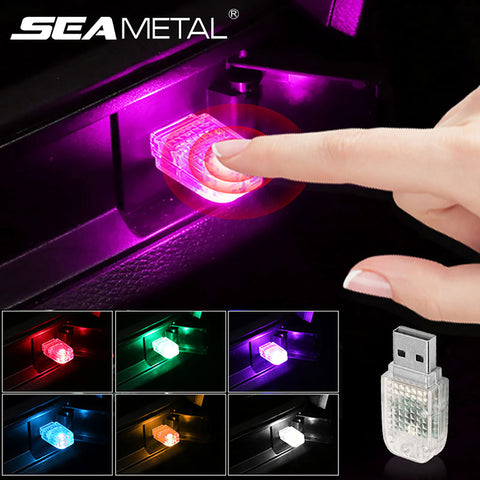
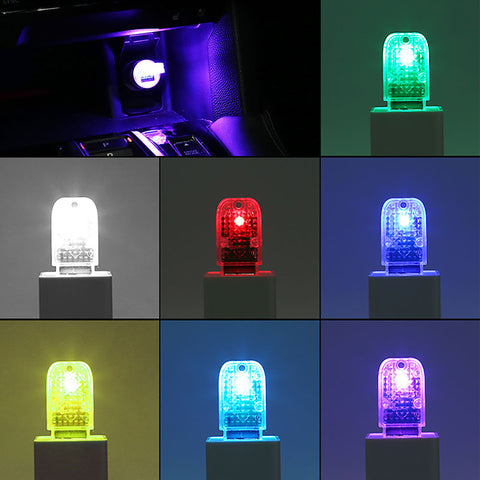
-
7 Colors
-
Ice blue
-
Pink
-
White
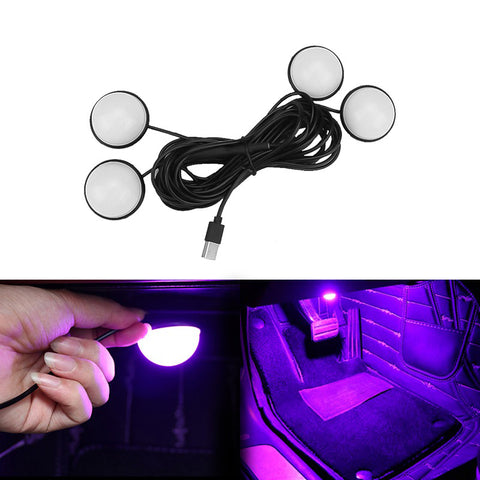
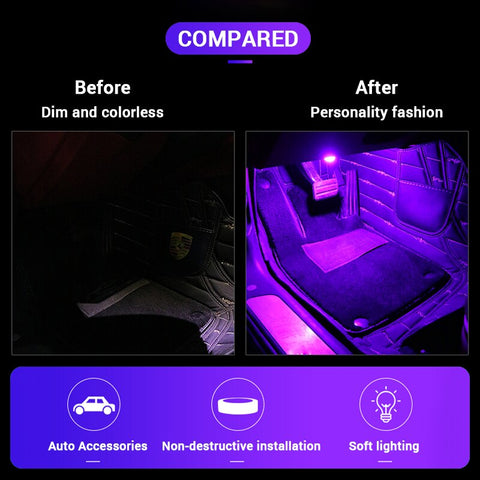
-
Blue 1 set
-
Ice blue 1 set
-
Pink 1 set
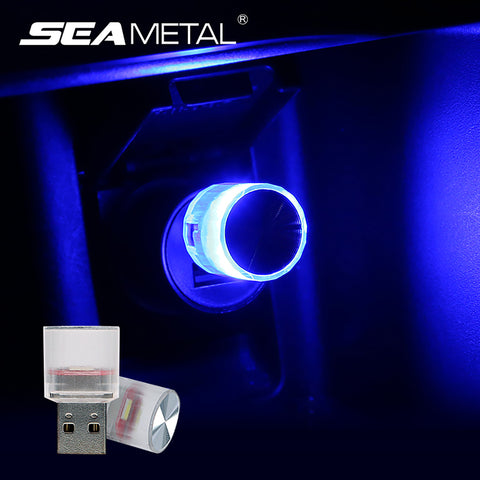
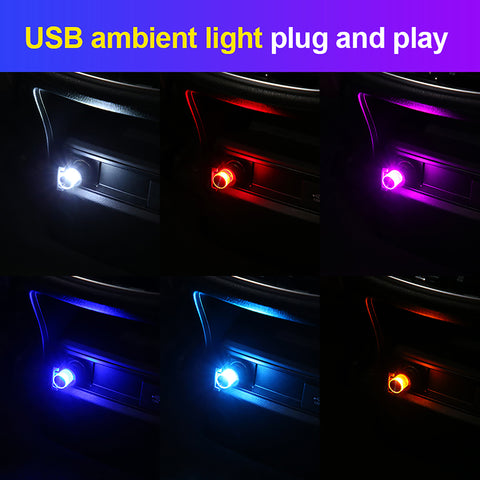
-
White
-
Pink
-
Blue
-
Colorful

-
White
-
Colorful
-
Pink
-
Blue
Steering Wheel Cover Too Thick? Three Styles Worth Comparing
A steering wheel cover can look perfect in a product photo and feel wrong the moment you wrap your fingers around it. The color matches. The trim looks fresh. Yet the wheel suddenly asks more of your hands.
If your steering wheel cover is too thick, start by considering the combined shape of the original rim and the added cover. Compare coverage style, edge placement, and the fit of the inner channel. A smaller outside diameter label alone does not explain how the finished grip will feel.
Why a steering wheel cover feels too thick
The wheel has two dimensions worth keeping separate: its overall diameter and the size of the rim your hand holds. A cover can be sold for the right wheel diameter and still create a grip you dislike. Your original wheel may already have substantial padding or shaped thumb rests.
One public owner question about a cover feeling too thick captures the buying problem: adding a new surface does not automatically improve the way a wheel feels. That is a personal fit question, not evidence that one design suits everyone.
Ask what you want to change. If the existing grip already feels comfortable, a large change in its shape may be unwelcome. If you prefer a fuller grip, added coverage may be part of the appeal. The goal is a surface and profile you can hold comfortably with a secure installation.
There is no measured thickness ranking here. Different constructions and original wheels create different results. Product photographs help explain coverage, but your wheel's measurements and the installed fit must settle the purchase.
Segmented covers leave deliberate breaks in coverage
Our SEAMETAL segmented steering wheel cover uses three separate sections. In the plain black option, the covered areas are interrupted by exposed parts of the original rim. This creates a visibly different layout from a continuous ring.
That layout is worth considering if you prefer selective coverage and want to retain some of the original wheel's appearance. It also means your hands can meet an edge or a change in surface as they move around the wheel. Check the positions shown for your compatible wheel rather than treating the sections as pieces that can go anywhere.
Does segmented mean thinner? It describes the coverage pattern. It does not establish a thickness measurement or guarantee less bulk where the sections are installed. Pay attention to the shape of each section and how it meets the rim.
An open-bottom cover gives a different kind of continuity
Our perforated cover with a red center marker forms an open ring with separate lower ends. Its upper and side areas create a more continuous outline than the three-piece design, while the lower opening remains an important part of its construction.
The center marker is a visual styling detail. It does not provide a performance improvement by itself. If you enjoy a restrained sport-inspired interior, the single red accent may be the detail you want without changing the entire cabin's color scheme.
The practical question is where the ends and surface changes will sit on your wheel. Look at the lower section, spoke junctions, and your usual hand movements. An attractive outline cannot compensate for a loose fit or an edge that bothers you.

A full cover suits people who want coverage all around
Our continuous steering wheel cover follows the rim all the way around. The Classic Black option includes textured panels and visible red stitching in its product image. It is a distinct look from the plain black segmented set.
A continuous design is worth considering when you want covered contact areas around the entire rim. Its tradeoff is that the added surface follows you around the wheel, including positions where you may have preferred the original feel.
Look beyond the front view. Compare how far the cover wraps around the rim, what happens near the spokes, and where the inner edges meet. A full cover is not automatically more comfortable, just as a segmented design is not automatically more secure. Each needs the correct fit.

Check the wheel you have, then choose the finish
How do you know what size steering wheel cover you need? Start with the specific product's shape and size requirements, then measure your wheel as directed. Overall diameter, rim profile, and the cover's attachment style all matter. A generic fit claim should not override an obvious mismatch.
The Wheelskins sizing FAQ also distinguishes vehicle sizing from measuring around the grip. Its instructions concern its own covers, but the useful buying lesson carries across: the outside diameter is only part of the fit conversation.
Check your vehicle manual for heated-wheel and hands-on sensing restrictions before adding a cover. Fit the chosen product while parked and verify that it stays firmly positioned and leaves controls and steering movement unobstructed. A cover that moves independently of the wheel needs to be removed or correctly refitted before driving.
For this three-way choice, start with your preferred coverage: separate sections, an open-bottom outline, or a continuous ring. Then check fit and hand feel. Save the final color decision for a design that already works with your wheel.
-
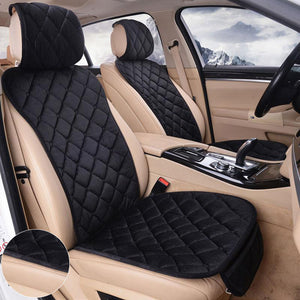
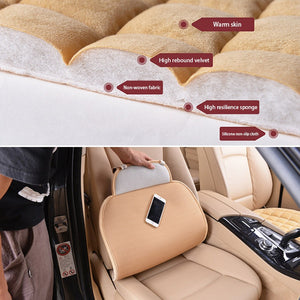
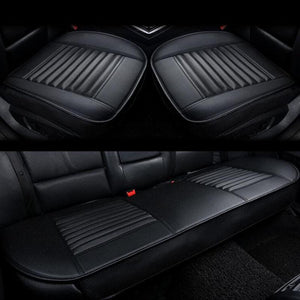
Front Black 2pcs
-
Front Gray 2pcs
-
Front Khaki 2pcs
-
Front Rose Red 2pcs
- + 3
-
Front Black 2pcs
-
Front Gray 2pcs
-
Front Khaki 2pcs
-
Front Rose Red 2pcs
- + 3
-
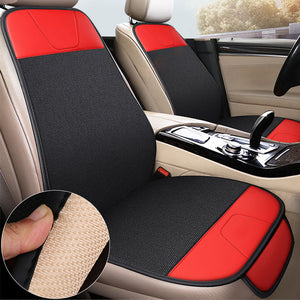
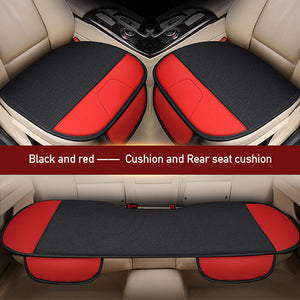
Black
-
Black with red
-
Black
-
Black with red
-
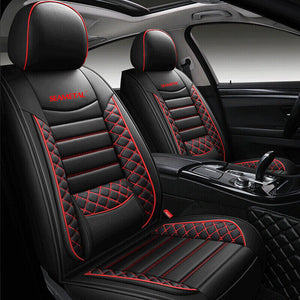
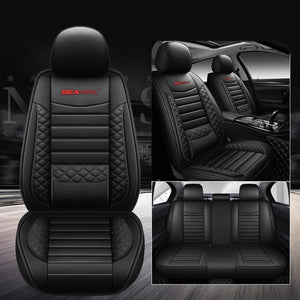
Black Line Front
-
Red LineFront
-
White Line Front
-
Black Line Rear
- + 5
-
Black Line Front
-
Red LineFront
-
White Line Front
-
Black Line Rear
- + 5