


-
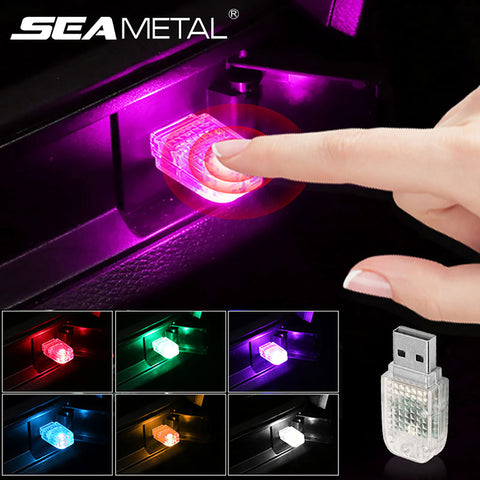
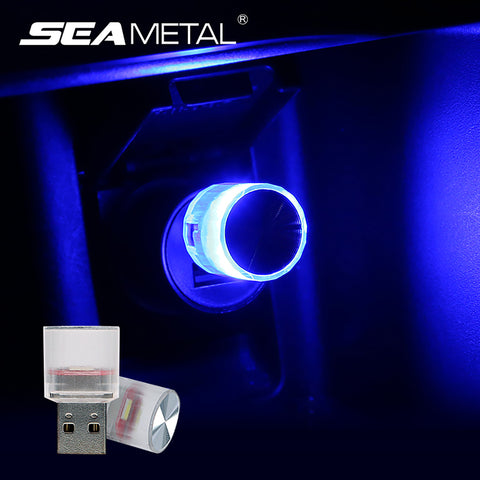
Blue lighting
-
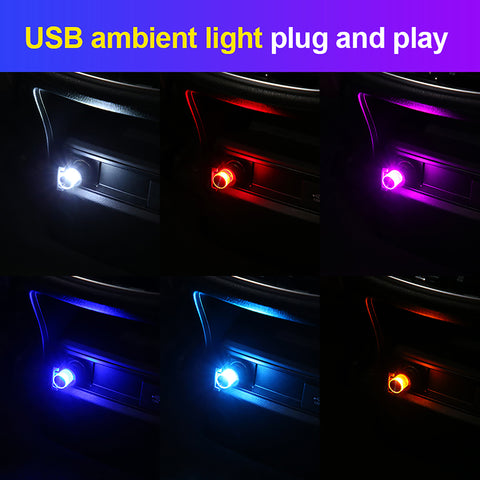
Seven colors
-
White lighting


-
Blue 1pc
-
Blue 2pcs
-
White 1 pc
-
White 2 pc
-
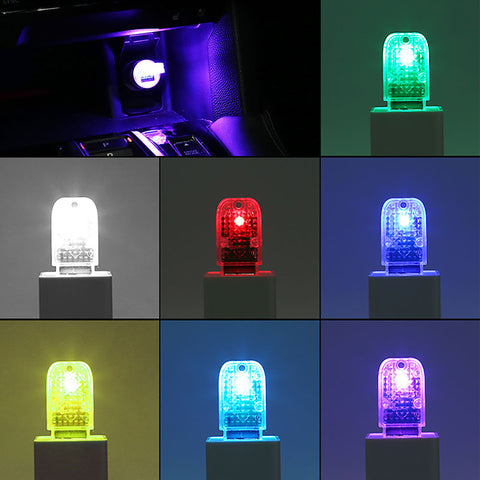
7 Colors
-
Ice blue
-
Pink
-
White
-
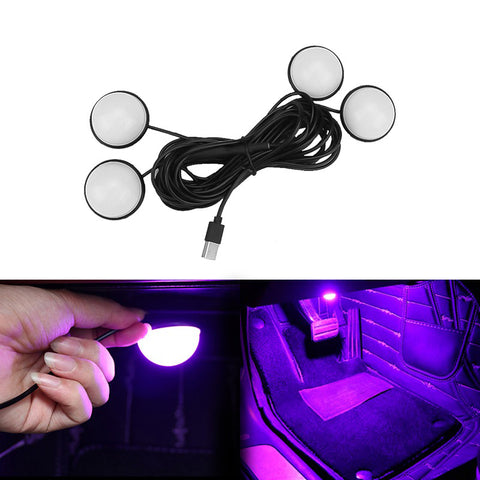
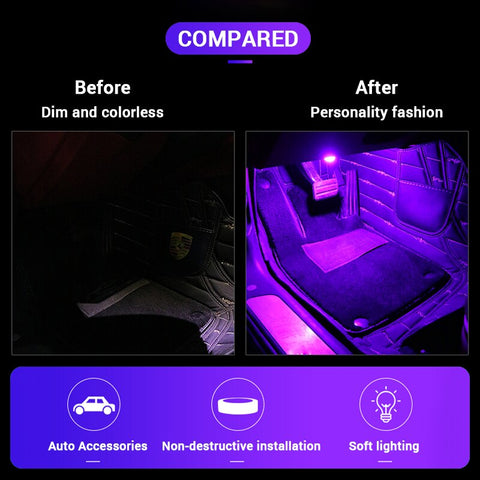
Blue 1 set
-
Ice blue 1 set
-
Pink 1 set
-
White
-
Pink
-
Blue
-
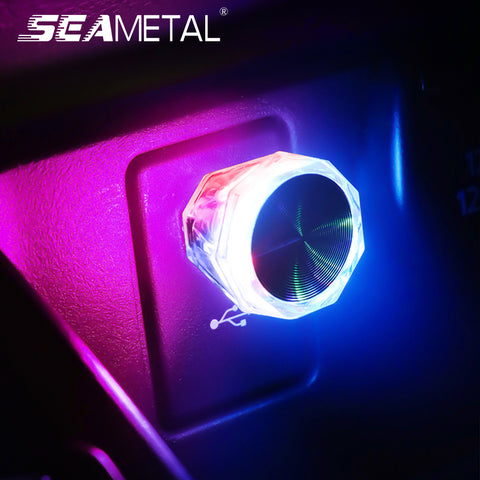
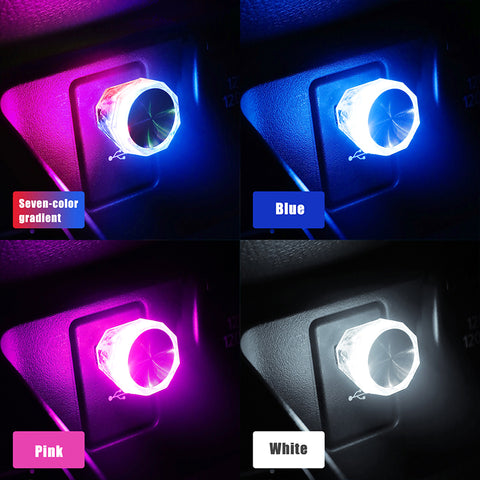
Colorful
-
White
-
Colorful
-
Pink
-
Blue
Car Sun Visor Extender With Organizer: What to Check Before Buying
A car sun visor extender is worth considering when your factory visor leaves a narrow band of low sunlight in your eyes, but the accessory is only useful if it fits the visor and leaves the road easy to see. Start with three checks in your parked car: where the sun enters your view, how the original visor moves, and whether a fold-down shield would cover the bright patch without covering something important. If you also want storage, check that glasses and cards will not make the visor bulky or prevent it from folding up. A combined extender and organizer can solve two small cabin problems, but it needs to work as a moving part of your vehicle, not just look tidy in a product photo.
Find the glare gap before choosing an extender
Think about the last time the sun bothered you during a commute. Was it straight ahead at a low angle, coming through the driver-side window, or reflecting upward from wet pavement? Those are different problems. A conventional visor pivots downward to shade the upper part of a window. It cannot always reach sunlight that falls just below its lower edge without also intruding into the driver's view. A fold-down tinted panel may put a shaded surface in that gap, provided the driver can still clearly distinguish the road, other vehicles, signs, and signals through or around it.
The useful question is not how dark the extender looks. It is where its bottom edge will land from your normal seated eye position. A shorter driver, a higher seat adjustment, and a reclined seatback can produce different sightlines even in the same car. While parked, adjust your seat and factory visor the way you normally use them. Notice which portion of the windshield the visor covers and where the actual bright region appears. You are looking for a specific missing strip of coverage, not trying to darken the whole windshield.
If reflected glare across the glass is the main issue, first clean the windshield inside and out. Haze and smudges can scatter light; an extra panel does not remove that film. AAA's advice on reducing driving glare also recommends using the factory visor and appropriate sunglasses, and stopping safely when visibility becomes inadequate. These simple fixes may matter more than another accessory for your particular route.
Check visor geometry, mirror access, and roof clearance
A clip-on extender attaches to a part that already rotates. That creates several fit questions that a generic 'universal' claim cannot answer. Look at the thickness and shape of your original visor, its hinge, the retaining clip near the roof, and the clearance between the stowed visor and headliner. A heavily padded or tapered visor may carry an accessory differently from a thin rectangular one. Two clips also need usable contact areas; a mirror frame, stitched seam, or molded housing may interrupt a seemingly flat mounting surface.
The SEAMETAL sun visor extender and organizer is listed with a double-back-clip installation and a foldable light-blocking panel. Product imagery also shows an organizer surface positioned around a factory vanity mirror. That tells you what to inspect, not that every vanity mirror will remain accessible on every visor. Compare your mirror's location and opening direction with the photographed layout before assuming the two will coexist.
Use the visor's full range of motion as a fit test. With the car stationary, bring the factory visor down, put it back up, and swing it toward the side window if your car permits that movement. Imagine the added thickness and the path the new panel will take. Check whether it would meet the overhead console, mirror, A-pillar trim, or door glass. A good fit should not require forcing the original hinge or leaving a bulky organizer wedged against the headliner.
Test the folded and lowered positions from the driver's seat
With a compatible sample or an accurate paper-size mock-up, the following parked-car check is more revealing than staring at a single front-on listing photo:
- Start in your real driving position. Set the seat, steering wheel, and factory visor normally. Look straight ahead, not upward toward the accessory.
- Identify the shield's intended travel. The SEAMETAL design uses a fold-down panel beneath the visor; judge the fully folded position and the anticipated lowered edge separately.
- Check the view through and below it. From your eye line, make sure the arrangement would not conceal traffic lights, pedestrians, lane edges, or the portion of the roadway you must monitor.
- Check the vanity mirror and roof. Return the visor to its stored position without squeezing the organizer into the roof or pressing the mirror cover open.
- Repeat with the visor turned sideways if relevant. The accessory may occupy a different space near the side glass, A-pillar, and door frame.

The test is about geometry, not a claimed optical rating. A tinted panel can make part of a scene look darker without necessarily providing a verified level of UV filtration, polarization, or night-driving glare control. Those performance specifications have not been established for this specific SKU. Treat the panel as a potential daylight-shading accessory; do not assume that a dimmed view is automatically a clearer one. If you cannot see essential details with the shield lowered, fold it away rather than trying to drive around the obstruction.
Keep the storage side slim enough to let the visor move
The other half of a combined visor accessory can be useful for the small objects that otherwise drift into cupholders: a parking card, a folded receipt, or glasses you use on sunny days. But storage at eye level should be deliberately modest. Unlike a glovebox, a visor rotates overhead and may come close to your forehead, rearview mirror, or roof trim. A pocket stuffed with keys or a thick wallet changes both the bulk and the way the visor hangs.
In the SEAMETAL photos, the reverse side has a mesh section, a narrow zippered pocket, and an eyeglass-retaining flap; the seller describes the glasses keeper as magnetic. Those details serve distinct purposes. The mesh area makes a flat card or receipt easy to spot, the zipper is better suited to thin items that might otherwise slip out when the visor flips, and the glasses flap keeps an eyewear frame separate from other contents. The images do not establish how much weight any pocket can safely hold or how securely every glasses shape is retained.

Load the visor according to the movement you expect from it. A thin parking pass may sit flat; a stack of coins, heavy power bank, or thick sunglasses case is a poor match for an overhead organizer. Before driving, fold and swing the visor with its intended contents while the vehicle is parked. If items shift, the mirror becomes difficult to open, or the visor no longer stays where you place it, reduce the load. This is especially important for drivers who repeatedly move the visor between windshield and side-window positions during a single trip.
Consider the light source and your alternative solutions
An extender makes the most sense for a repeatable, narrow gap below the factory visor. It is less compelling when the sun arrives from several directions, the visor has very little mounting space, or the driver already struggles with a drooping hinge. A separate pair of suitable sunglasses may be easier to use when reflected glare is widespread. Cleaning the windshield is the logical first move when glare blooms around fingerprints and interior film. And an opaque parked-car windshield sunshade solves a different job altogether: shading a parked cabin, not extending a moving driver's visor while the vehicle is in use.
Look at your dashboard and rearview mirror before choosing a darker add-on. You should be able to read vehicle displays normally and retain enough contrast to recognize road markings. Some tinted accessories can also alter how certain screens appear, so verify that in your own stationary vehicle rather than assuming every combination behaves alike. Avoid treating manufacturer phrases such as 'anti-glare' or 'day and night' as measured optical certifications. The product information supplied for this model does not provide a test method or verified transmission figures.
For a shared family car, the person who drives most often should determine the placement. A shield that suits a tall driver might be directly in a shorter driver's line of sight. If you move the extender between cars, repeat the checks; a different visor thickness, mirror layout, and seating position can change the answer.
Choose the combination for the job you actually have
The SEAMETAL version is offered in Grey (C43556-GR) and Black (C43556-BLGR). The available photos show the same general concept: a soft-look organizer panel paired with a hinged tinted extension, small-item pockets, and an eyeglass holder. The color decision is mostly about matching the cabin. It does not establish different optics or a different fitment range. If a seller photo of one color reveals a mounting detail better than another, use that view to understand the design, then verify the selected variant before buying.
Choose this style if you have a specific low-sun coverage gap, enough room for the double-clip attachment and visor motion, and only a few lightweight items you want to keep nearby. Choose a simpler visor extender if you do not need storage, or a dedicated sunglasses holder if the original visor already blocks the sun well. And do not purchase solely because an image shows it on a car that looks like yours: mirror position, hinge clearance, and your own seated eye line are the meaningful checks.
A final two-minute parked-car assessment can settle the decision. Look from your normal seating position, inspect the visor back and vanity mirror, trace the fold-down panel's path, and list the exact contents you intend to carry. If all four work together without reducing the view, the combined layout offers a sensible use of an otherwise underused part of the cabin.
-
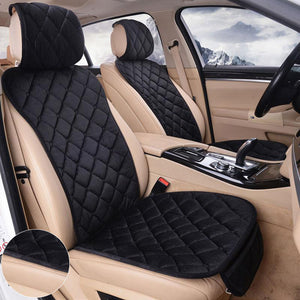
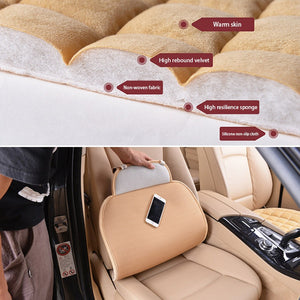
Front Black 2pcs
-
Front Gray 2pcs
-
Front Khaki 2pcs
-
Front Rose Red 2pcs
- + 3
-
Front Black 2pcs
-
Front Gray 2pcs
-
Front Khaki 2pcs
-
Front Rose Red 2pcs
- + 3
-
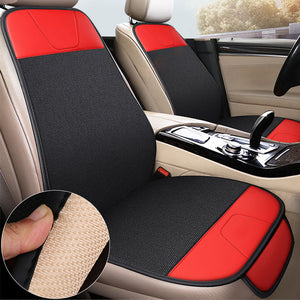
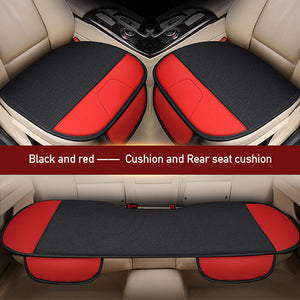
Black
-
Black with red
-
Black
-
Black with red
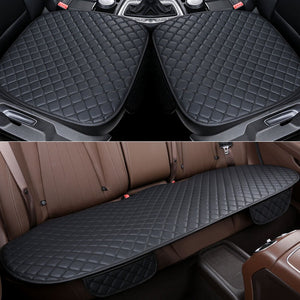
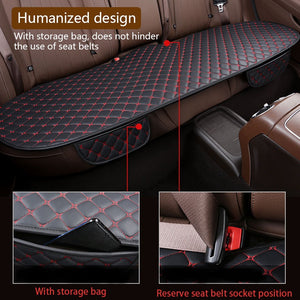
-
Black Line Front
-
Red LineFront
-
White Line Front
-
Black Line Rear
- + 5
-
Black Line Front
-
Red LineFront
-
White Line Front
-
Black Line Rear
- + 5