


-
Blue lighting
-
Seven colors
-
White lighting


-
Blue 1pc
-
Blue 2pcs
-
White 1 pc
-
White 2 pc
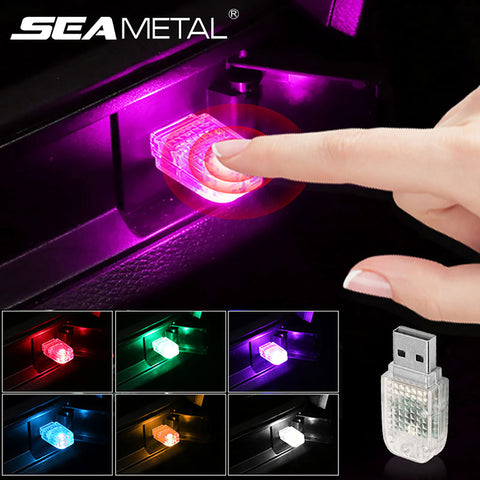
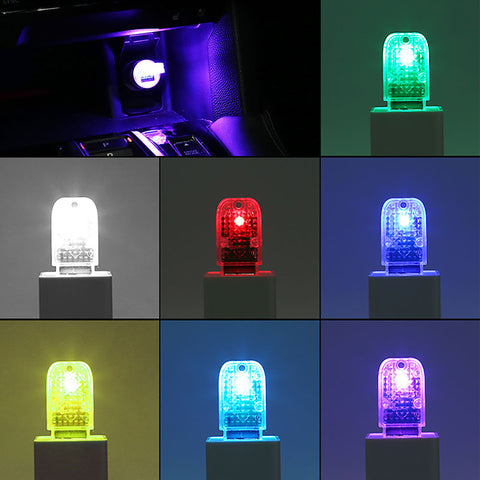
-
7 Colors
-
Ice blue
-
Pink
-
White
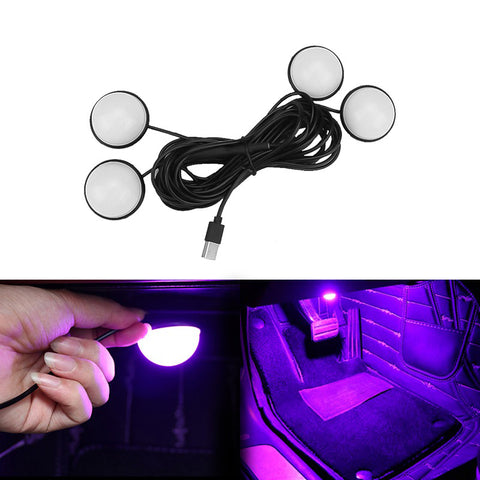
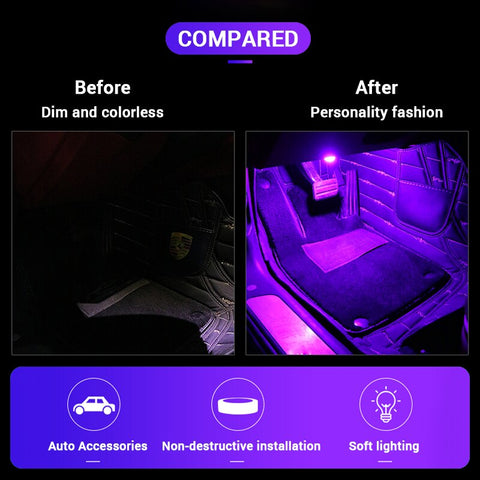
-
Blue 1 set
-
Ice blue 1 set
-
Pink 1 set
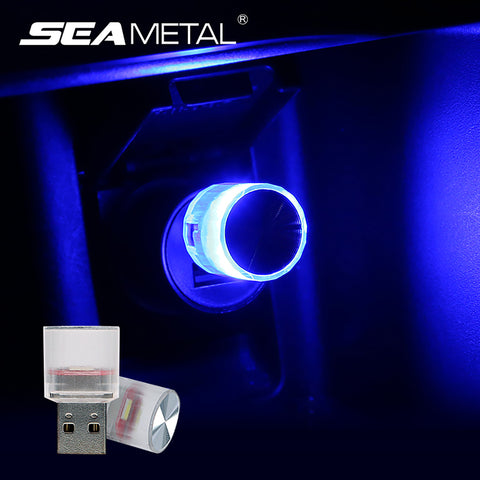
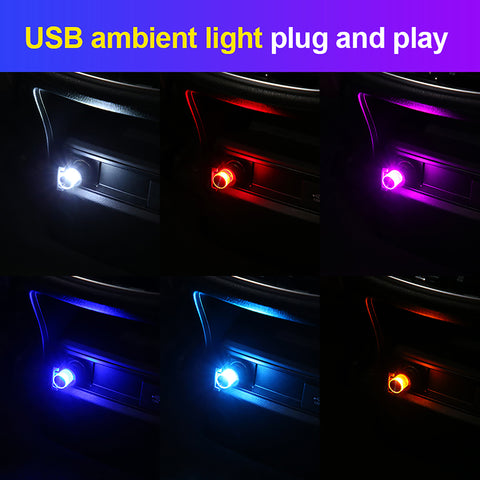
-
White
-
Pink
-
Blue
-
Colorful
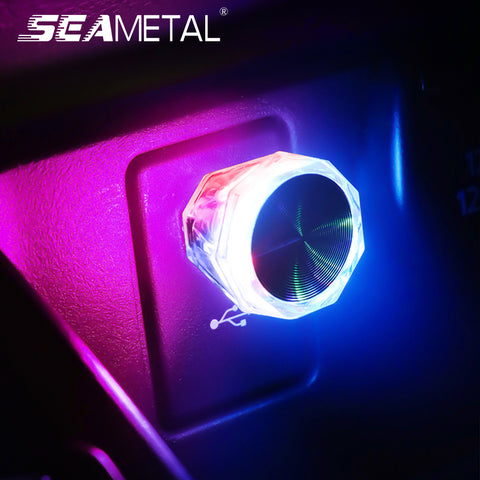
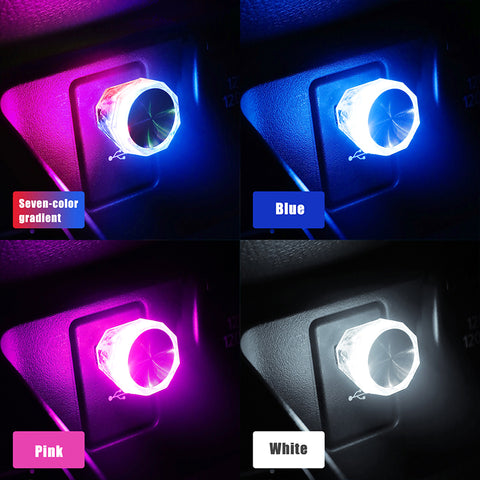
-
White
-
Colorful
-
Pink
-
Blue
Are Blind Spot Mirrors Worth It? The View You Gain—and the Trade-Off
A tiny circle of glass can start a surprisingly big argument. Some drivers swear by an extra reflection when squeezing into a parking space; others say you should just adjust the mirrors your car came with. Are blind spot mirrors worth it? They can be, when the added view answers a question your existing mirrors don't answer clearly. They aren't magic extra eyes, and more reflective surfaces don't automatically mean more useful information.
We're interested in the trade-off, not a gadget-versus-purist contest. Your windshield, center mirror, side mirrors, direct observation, and any driver-assistance features already share the job of telling you what's nearby. A small auxiliary mirror should earn its place in that team.
Why a tiny mirror inspires such strong opinions
Ask drivers whether they like small add-on mirrors and you'll often hear two completely reasonable answers. One person likes having another glance at a rear corner while parking. Another dislikes the tiny picture, the distraction of an additional reflection, or the way an accessory consumes space on a mirror they already use every day.
The disagreement makes sense because the two drivers may be solving different problems. The person backing slowly into a narrow space wants a nearby reference point. The person merging on a highway wants a fast, accurate sense of another vehicle's location and speed. A small picture that is useful in one situation may be less helpful in the other.
That also explains why "every car needs one" is a weak selling argument. Your seating position, familiar driving routes, existing mirror coverage, and attention habits matter more than the accessory count. If you haven't identified a missing view, it's hard to judge whether an add-on improved anything.
A second view is only helpful if you can read it
There is a simple distinction between seeing more area and understanding what you see. A very wide view can put more of the surroundings into a small image, but it may also make objects harder to judge at a glance. Different mirror designs produce different reflections. Don't assume a particular optical effect just because an online photo shows a round mirror.
Think about the task before the hardware. Are you trying to recognize a painted parking line near a rear corner? Spot a stationary obstacle during a slow maneuver? Or follow moving traffic in an adjacent lane? Those are not interchangeable jobs. A useful mirror should answer one of those questions reliably without concealing a larger and more important view.
This is also why a product's shape alone tells you less than it seems. A rotating ring offers a way to change orientation, but rotation does not certify a viewing angle, an optical curvature, or an approved mounting position.
Blind spot mirrors vs. mirror adjustment: which comes first?
Adjust the original mirrors first. The National Highway Traffic Safety Administration's mirror-visibility guidance explains how setting the outside mirrors farther outward can reduce gaps between the center and side views. It also reminds drivers to look over a shoulder before changing lanes. That's a much better baseline than treating a stick-on accessory as a substitute for the driving habits you already need.
Now the debate becomes more productive. Instead of asking whether a tiny mirror is "better" than a factory mirror, ask whether it supplies a genuinely different reference after the factory setup is doing its job. The answer may be yes for one car and no for another. Both outcomes are useful: the goal is a clearer picture, not a busier dashboard.
A blind-spot warning light or camera is a separate category again. Those systems offer alerts or video according to their own designs; a passive glass mirror simply reflects whatever its shape and orientation allow. None of them turns a shoulder check into an optional habit.

Three moments when a little extra perspective makes sense
1. A narrow parking spot. When inching into a space, drivers sometimes want another reference for a curb, painted line, or nearby corner. If a carefully positioned auxiliary mirror actually supplies that reference while the vehicle is stationary or maneuvering slowly, that's a practical benefit. The image still needs to be easy to interpret; don't use it alone to judge clearance.
2. A vehicle with an awkward rear-quarter view. A bulky pillar, high rear deck, or seating position can make some nearby areas harder to judge. Start by identifying the gap with the car parked. An added mirror might help you monitor a particular area, but it cannot make the pillar disappear or promise comprehensive coverage.
3. A small convenience beyond driving. Some accessories have a second life when the car is parked. A rotating ring that can act as a compact phone support on a suitable stationary surface is a different kind of utility from reflection. It doesn't turn the product into an approved moving-vehicle phone mount; it simply gives the same small object another possible job.
Notice what these examples share: a specific reason for the extra view or support. None depends on a universal claim that smaller accessories make every driver safer.
Choose for the job, not for the promise
For a compact option, our SEAMETAL rotating round auxiliary mirror has a glass mirror set in a rotating ring, an adhesive attachment concept for a suitable clean, dry surface, and a ring that can double as a stationary phone support. The selected C43613-2R option contains two pieces; a separate one-piece option is available on the same page. Two pieces give you two accessories to consider, not a guarantee that either will fit a particular factory side mirror or vehicle interior location.
Before choosing the two-piece option, think less about "left and right" and more about the two jobs you actually have in mind. Is there an unobstructed, appropriate surface? Will the original mirrors remain fully usable? Does the ring have room to move without colliding with surrounding trim? Can you read the extra reflection without losing your primary view? These questions make more sense than buying on the strength of a dramatic wide-angle illustration.

The takeaway: blind spot mirrors are worth considering when you can name the extra view you want and confirm it is useful. First get the factory mirrors right; then judge an auxiliary mirror as a supplement, not a substitute. The best car accessory isn't necessarily the one you notice most. It's the one that quietly earns its place.
-
Front Black 2pcs
-
Front Gray 2pcs
-
Front Khaki 2pcs
-
Front Rose Red 2pcs
- + 3
-
Front Black 2pcs
-
Front Gray 2pcs
-
Front Khaki 2pcs
-
Front Rose Red 2pcs
- + 3
-
Black
-
Black with red
-
Black
-
Black with red
-
Black Line Front
-
Red LineFront
-
White Line Front
-
Black Line Rear
- + 5
-
Black Line Front
-
Red LineFront
-
White Line Front
-
Black Line Rear
- + 5