






-
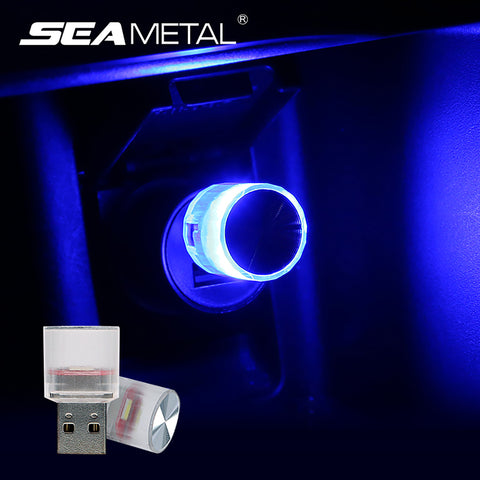
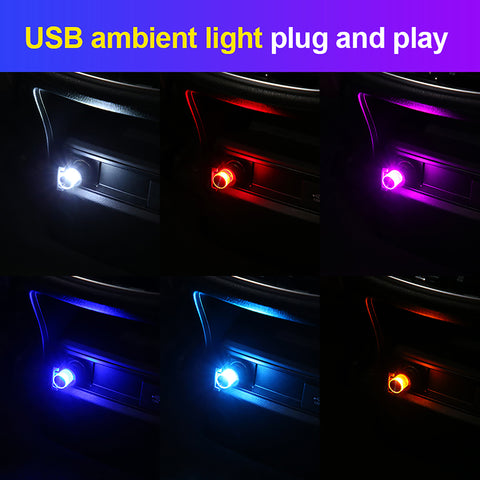
Blue lighting
-
Seven colors
-
White lighting


-
Blue 1pc
-
Blue 2pcs
-
White 1 pc
-
White 2 pc
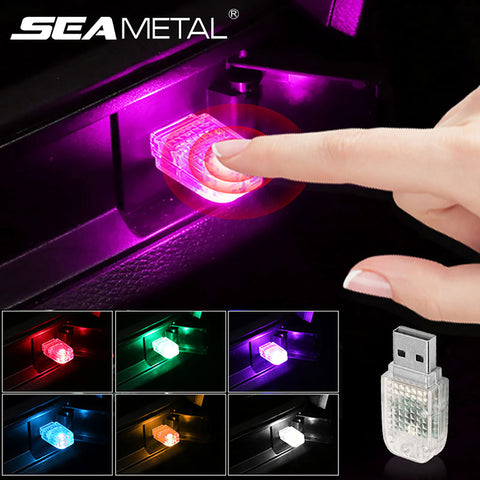
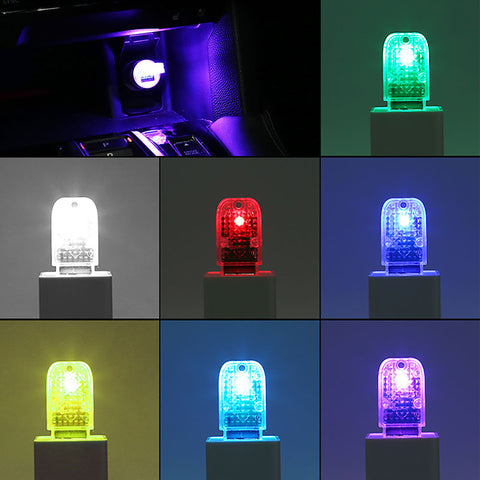
-
7 Colors
-
Ice blue
-
Pink
-
White
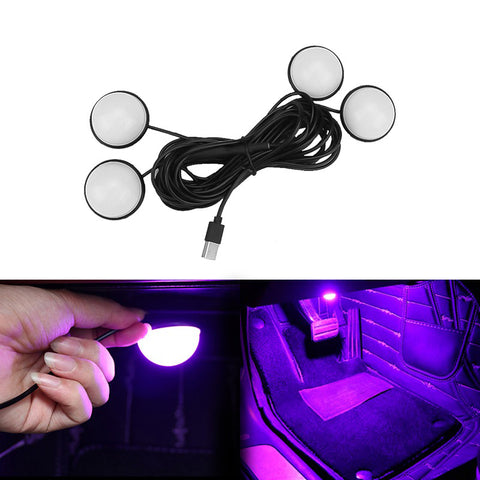
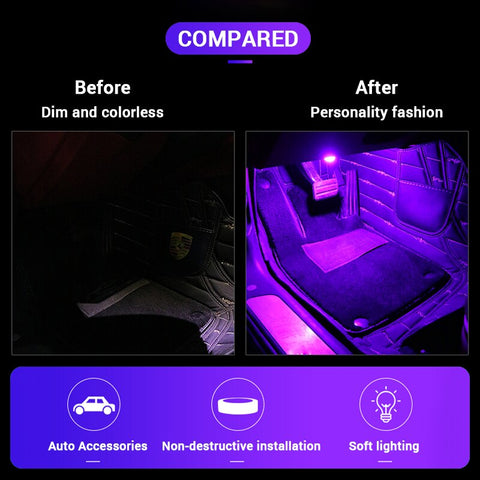
-
Blue 1 set
-
Ice blue 1 set
-
Pink 1 set
-
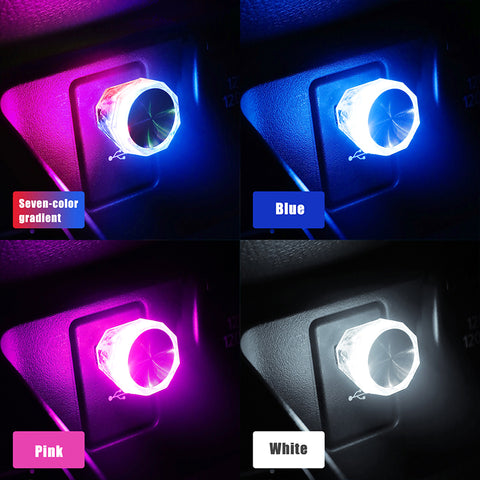
White
-
Pink
-
Blue
-
Colorful

-
White
-
Colorful
-
Pink
-
Blue
Car Armrest Extender: Is Yours Too Low, Too Short, or Too Hard?
The cabin looks comfortable. The seat feels right. Then you settle in and find the armrest is almost where you want it. Your elbow lands behind it, above it, or on a hard edge. That small mismatch can become the detail you notice on every commute.
A car armrest extender is worth comparing only after you name that mismatch. Too low, too short, and too hard can feel similar at first, but they point to different purchases. Adding a thicker pad without checking reach can leave you with a taller version of the same problem.
First, find your normal position
Park the car, keep it stationary, and set the seat and steering wheel for normal driving. Check any original armrest adjustment in the owner’s manual before shopping. A sliding or adjustable factory part may already offer a position you have not tried.
Then notice where your elbow naturally lands without leaning sideways or moving your torso toward the console. You are trying to describe a location, not force yourself to match an accessory.
This is also why two people can disagree about the same interior. Moving the seat forward changes the relationship between the driver and a fixed armrest. A useful recommendation starts with your position, not simply the model name of the car.
Choose a car armrest extender for the problem you actually have
Too low: the contact surface sits below the position you want. Compare an adjustable support or suitable added height, while checking that it does not raise your shoulder or alter access to the controls.
Too short: your elbow lands ahead of the usable surface. Look at the support’s front-to-back position and footprint. Extra softness does not automatically move the landing area forward.
Too hard: the location works, but the surface does not suit you. Padding may be the relevant change here. You may not need a large organizer or a different mounting position at all.
What can you do if your car armrest is too low? Check the original adjustment first, then compare an add-on that places a stable support surface at a suitable height. Keep your normal driving position as the reference rather than lowering the seat just to meet the armrest.
When extra storage belongs in the decision
Sometimes the elbow issue arrives with another annoyance: a phone, parking card, and small essentials have no settled place. An armrest organizer can make sense when you want both a contact surface and a dedicated home for those items.
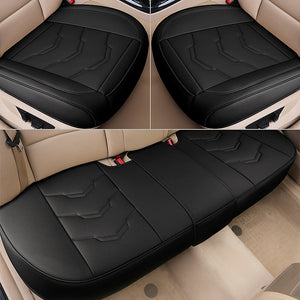
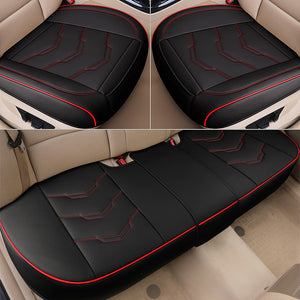
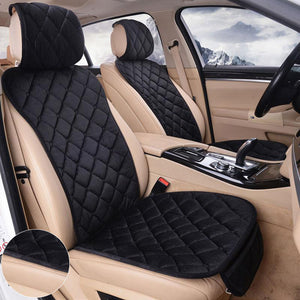
Our SEAMETAL black car armrest pad with cup holder and storage combines a padded top with an adjacent cup recess and small-item storage area. It is a seat-gap style add-on for a compatible layout. The Black version used here has a different trim appearance from the Black with Red line option.
Think of those features as a layout choice. Where will the padded area land relative to your elbow? Is the cup position usable without crowding the handbrake, gear selector, or seat-belt buckle? Storage only helps when the whole arrangement belongs in the space.

A door-side elbow support solves a different location
If your complaint is on the door side, a center-console organizer targets the other side of the seat. That sounds obvious, yet similar product names make the two surprisingly easy to mix up.
Our adjustable door-armrest elbow support is the alternative to compare for a compatible door-side surface. The center-console armrest storage option is another form of interior support to evaluate against the space available. These are alternatives to assess, not accessories every driver needs to install together.
Can you extend a center-console armrest? Sometimes the original armrest adjusts; otherwise a compatible add-on may change the usable support area. The answer depends on the console and accessory arrangement. A door-side product should not be presented as an interchangeable console extension.
The space check matters more than “universal”
A universal car armrest extender is not guaranteed to fit every cabin. Compare the actual seat-to-console gap, support surface, attachment arrangement, and space needed for the original controls. Check seat movement, buckle access, console-lid opening, and handbrake clearance while parked.
Before buying, take a photo from above and another from the side in your normal seat position. Note where your elbow lands and what must remain accessible. Those two views are more useful than a close-up of an empty gap with no surrounding controls.

If you also use the cabin for a parked midday break, our article on eating lunch in your car explores that separate routine. Everyday support and a temporary break setup deserve their own space planning.
Buy a better fit for the routine
The goal is a cabin that takes less thought to use. Identify height, reach, or surface feel first. Add storage when it solves a real second problem, and keep the controls easy to reach.
For a compatible seat-gap layout where both a padded surface and organized storage would help, start with our black armrest-and-cup-holder option. If the issue is somewhere else, let that observation guide you to a different format. Your elbow already told you where to look.
-
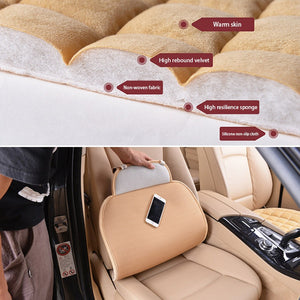
Front Black 2pcs
-
Front Gray 2pcs
-
Front Khaki 2pcs
-
Front Rose Red 2pcs
- + 3
-
Front Black 2pcs
-
Front Gray 2pcs
-
Front Khaki 2pcs
-
Front Rose Red 2pcs
- + 3
-
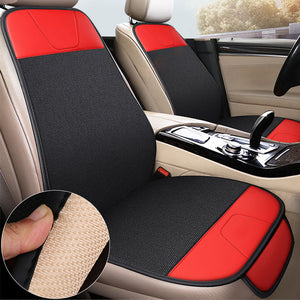
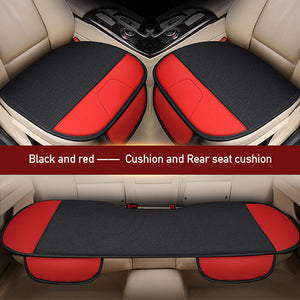
Black
-
Black with red
-
Black
-
Black with red
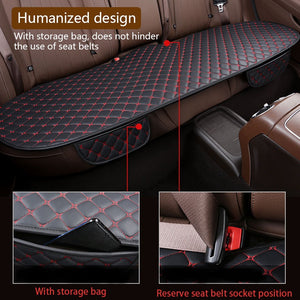
-
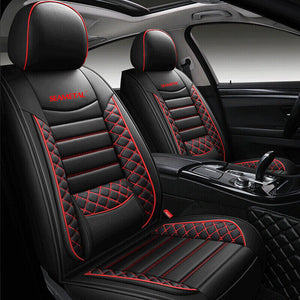
Black Line Front
-
Red LineFront
-
White Line Front
-
Black Line Rear
- + 5
-
Black Line Front
-
Red LineFront
-
White Line Front
-
Black Line Rear
- + 5