






-
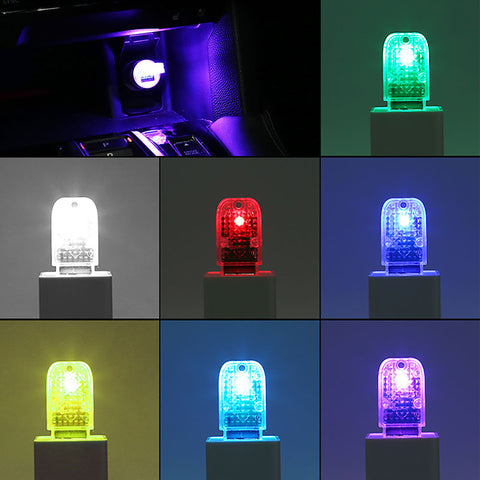
Blue lighting
-
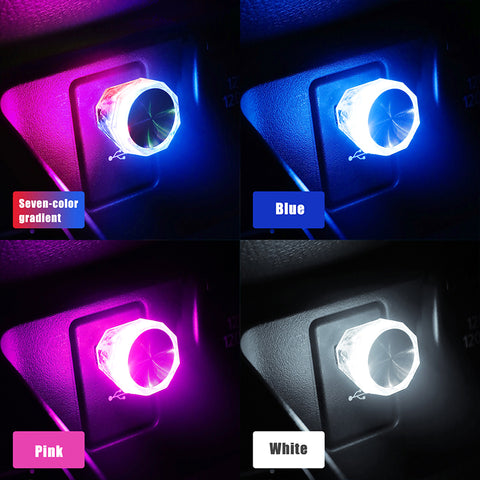
Seven colors
-
White lighting


-
Blue 1pc
-
Blue 2pcs
-
White 1 pc
-
White 2 pc

-
7 Colors
-
Ice blue
-
Pink
-
White
-
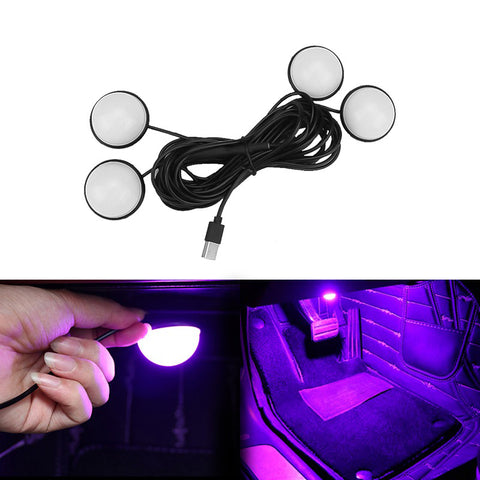
Blue 1 set
-
Ice blue 1 set
-
Pink 1 set

-
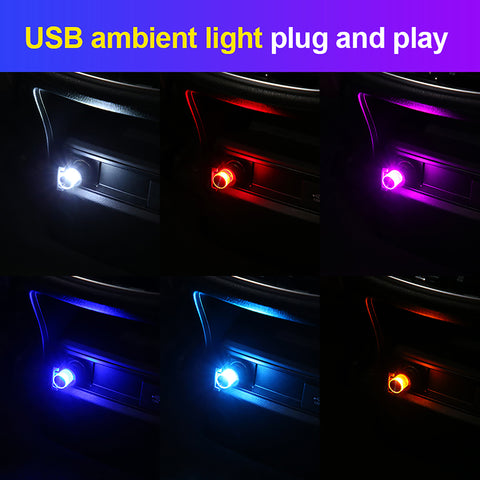
White
-
Pink
-
Blue
-
Colorful

-
White
-
Colorful
-
Pink
-
Blue
Motorcycle Shifter Shoe Marks: Why Your Left Boot Ages Faster
Put your riding boots side by side after a week of commuting. The right one may still look ready for Monday. The left one has a story written across the toe. It is a tiny detail, but once you notice it, it becomes hard to ignore.
Motorcycle shifter shoe marks come from repeated contact between the gear lever and the upper of your footwear. The useful decision is whether to put an extra contact layer on the bike, on the shoe, or simply accept some wear. Each choice asks something different of your daily routine.
Why the left boot gets the story
On motorcycles with a conventional left-foot toe shifter, lifting the lever repeatedly puts the same area of the boot against the lever tip. Dirt, transferred material, and friction can leave a visible mark there. Other control layouts exist, so the contact point matters more than the left-versus-right rule.
A dark patch and a worn patch are also different things. Dirt may be removable with care appropriate to the footwear. Abrasion changes the surface itself, and cleaning cannot put missing material back. Before buying a cleaner or a protector, look closely at what you actually have.
One useful check is the lever itself. Is its contact surface dirty, damaged, or unusually rough? A protective accessory should not distract you from a part that needs attention.
A motorcycle shift lever cover stays with the bike
A lever cover puts a layer around the part your boot contacts. Its everyday appeal is simple: once correctly fitted, it is on the motorcycle rather than another item you need to remember before leaving home.
Our SEAMETAL black motorcycle shift lever cover is the one-piece black option in this group. It uses a removable white installation support inside the sleeve. That white core belongs to the installation process; it is not a decorative end cap to leave on the finished lever.
The black and gray options and different pack quantities are separate choices. Buying a two-piece pack does not mean a conventional motorcycle needs one cover on each side. Start with the actual contact point and the fit of that lever.

How do you stop a gear shifter from damaging shoes? Start with suitable riding footwear, inspect the lever, and consider a correctly fitted contact barrier. A sleeve can help separate the surfaces, but it cannot guarantee a spotless boot. Road dirt and repeated friction do not disappear because a cover is present.
A shoe protector travels with your footwear
A shoe-mounted protector moves the added layer to the boot. That can be useful when the bike is not the only part of the routine you want to control, or when a lever-mounted option does not suit the lever shape. The trade-off is remembering to put it on and checking that its straps stay secure.
Our black gear-shifter shoe protectors are a different product from the lever sleeve: shaped protective pads with adjustable straps, supplied as a two-piece option. They sit over the shoe’s contact area rather than around the gear lever. Choose the arrangement for the boot and controls you actually use.
Are motorcycle shoe protectors worth it? They are worth considering when preserving the contact area matters to you and the extra step fits your habits. If you already know you will leave one in a drawer, a correctly fitting bike-mounted option may be the more practical comparison.
Neither type replaces protective motorcycle footwear. A tidy upper and foot protection are separate goals, even when both matter on the same commute.
Choose for Tuesday morning, not the product photo
Imagine the ordinary version of your morning: gloves waiting, a bag to carry, and one more thing to remember. Would you reliably put a guard on the boot? Would you prefer an accessory that stays on the motorcycle? Or would keeping work shoes at your destination solve the appearance problem more neatly?
There is no need to turn that choice into a collection of accessories. Start with one approach, confirm that your boot still finds the lever naturally, and make sure the added layer does not interfere with shifting. Any adjustment or fit check belongs on a stationary, securely supported bike.

Keep the character, reduce the unnecessary wear
Some riders like the mark. Others would rather not explain it at the office. Both preferences are reasonable. The useful distinction is between accepting an ordinary cosmetic trace and ignoring wear that is damaging the footwear.
If you want an extra barrier that stays on the bike, compare the black lever sleeve first. If you prefer the barrier on the boot, compare the strapped shoe protector. Let the real contact point and your routine decide. The smallest upgrade works best when it is one you will keep using.
-
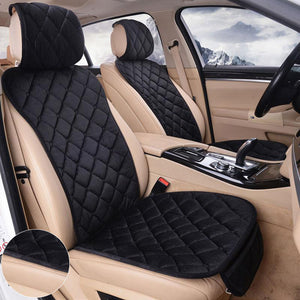
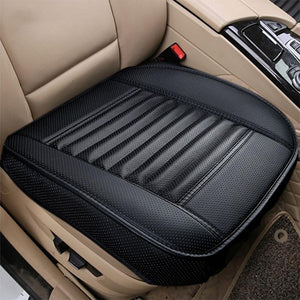
Front Black 2pcs
-
Front Gray 2pcs
-
Front Khaki 2pcs
-
Front Rose Red 2pcs
- + 3
-
Front Black 2pcs
-
Front Gray 2pcs
-
Front Khaki 2pcs
-
Front Rose Red 2pcs
- + 3
-
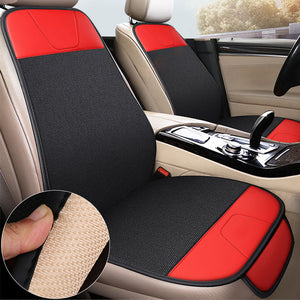
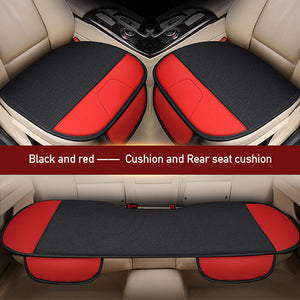
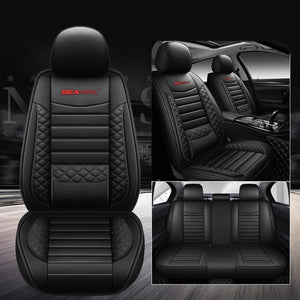
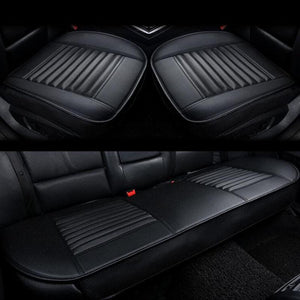
Black
-
Black with red
-
Black
-
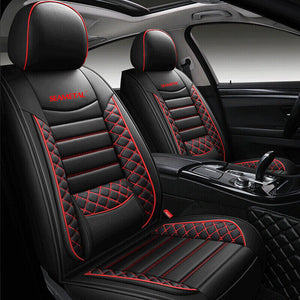
Black with red
-
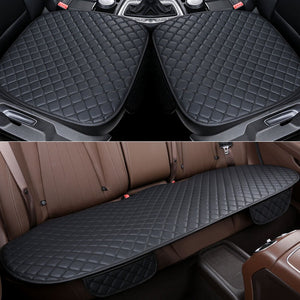
Black Line Front
-
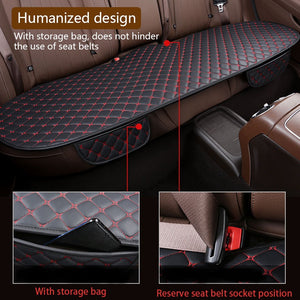
Red LineFront
-
White Line Front
-
Black Line Rear
- + 5
-
Black Line Front
-
Red LineFront
-
White Line Front
-
Black Line Rear
- + 5